21st IRDO International Conference 2026 Conclusions
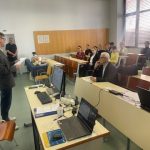
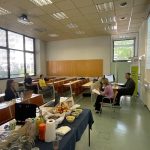
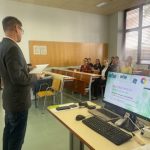
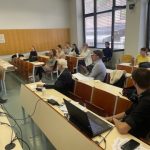
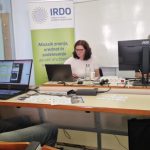
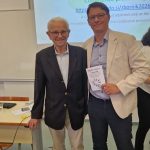
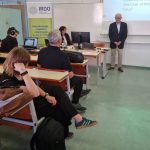
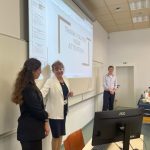
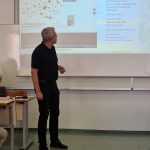
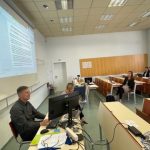
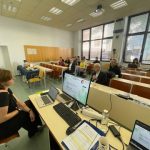
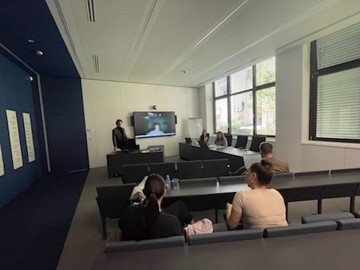
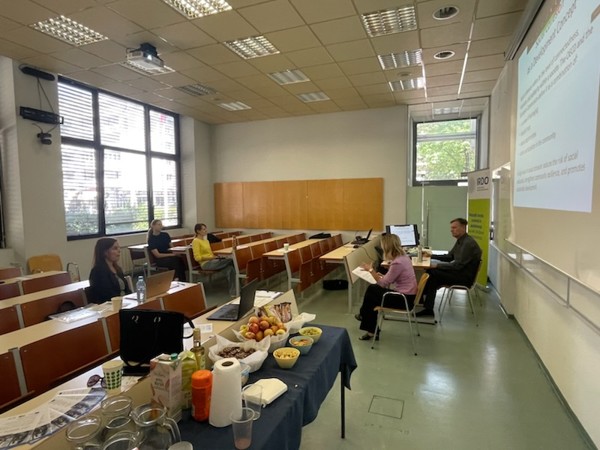
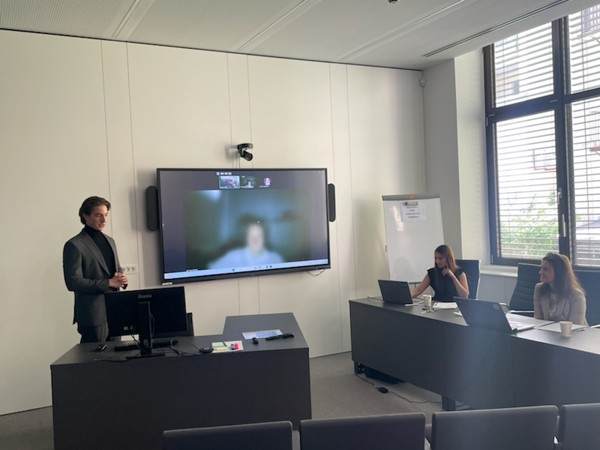
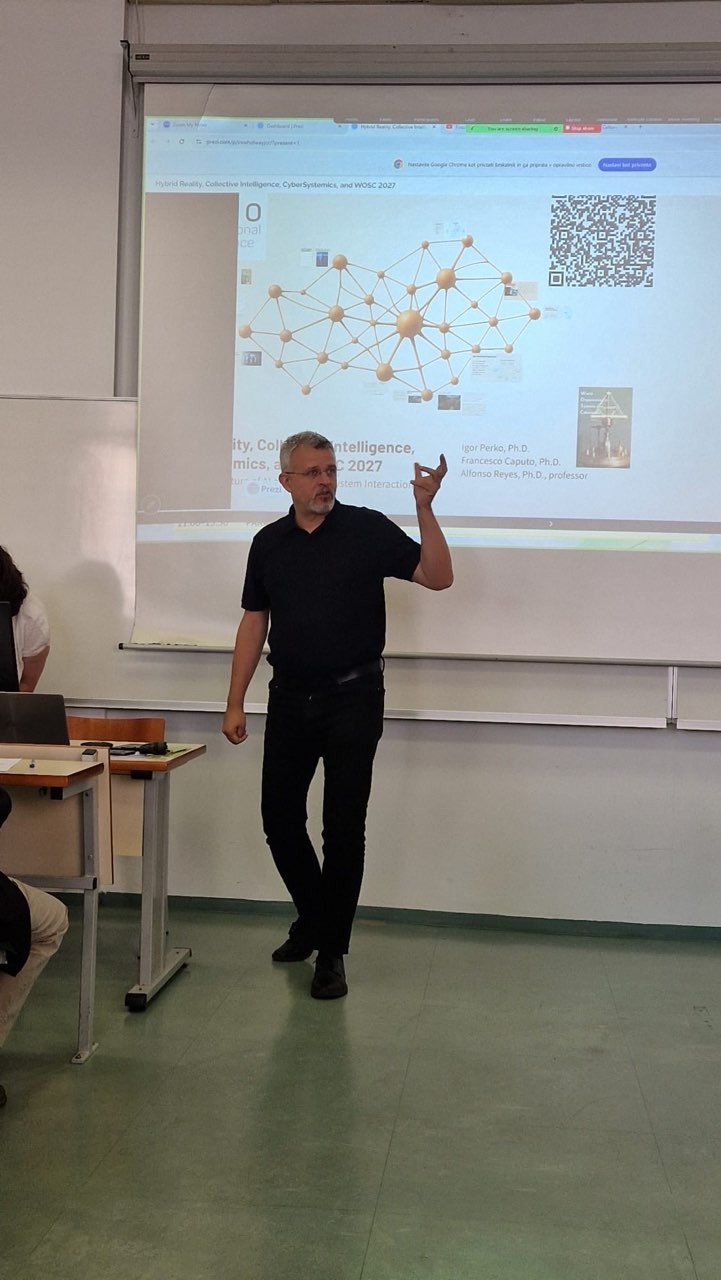
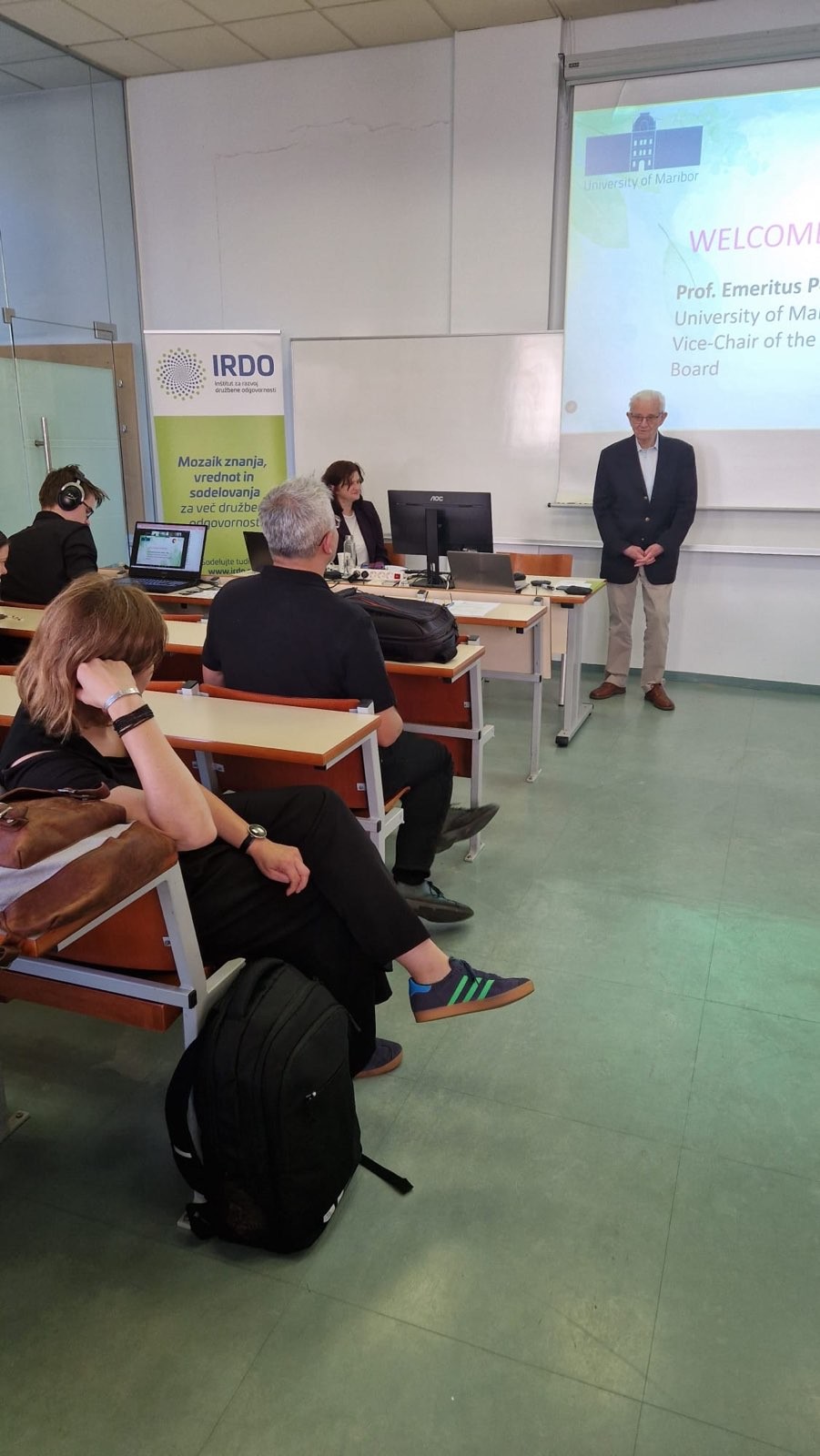
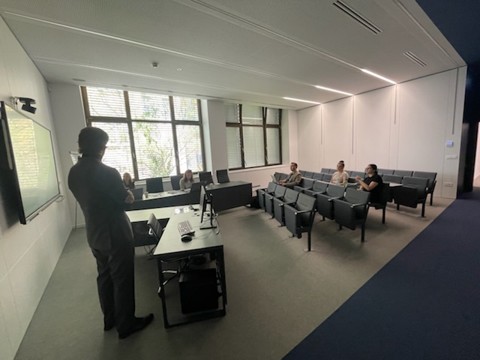
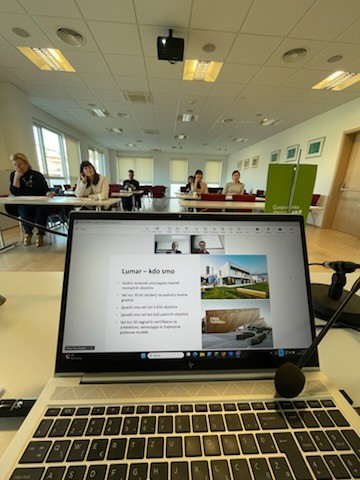
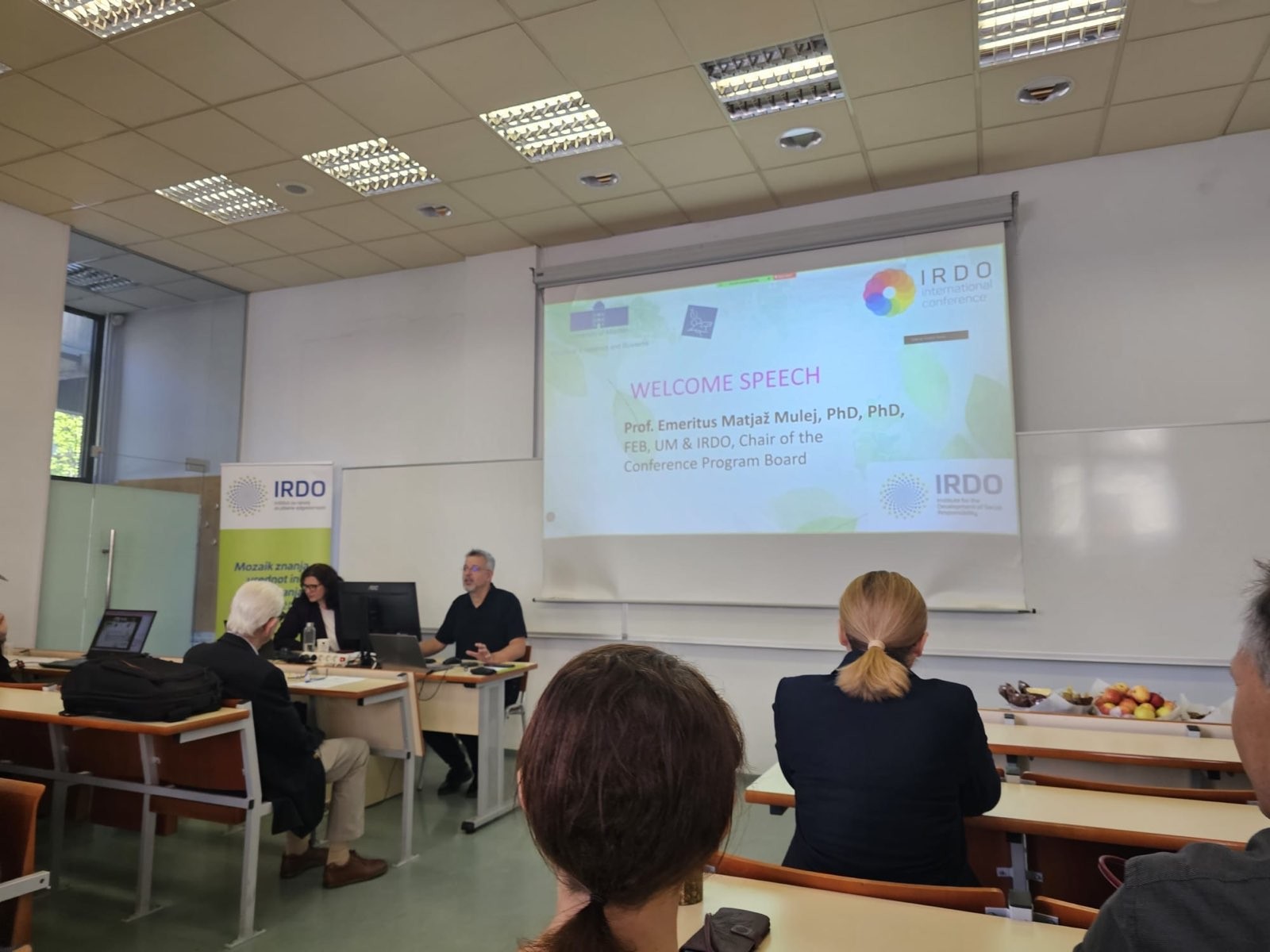
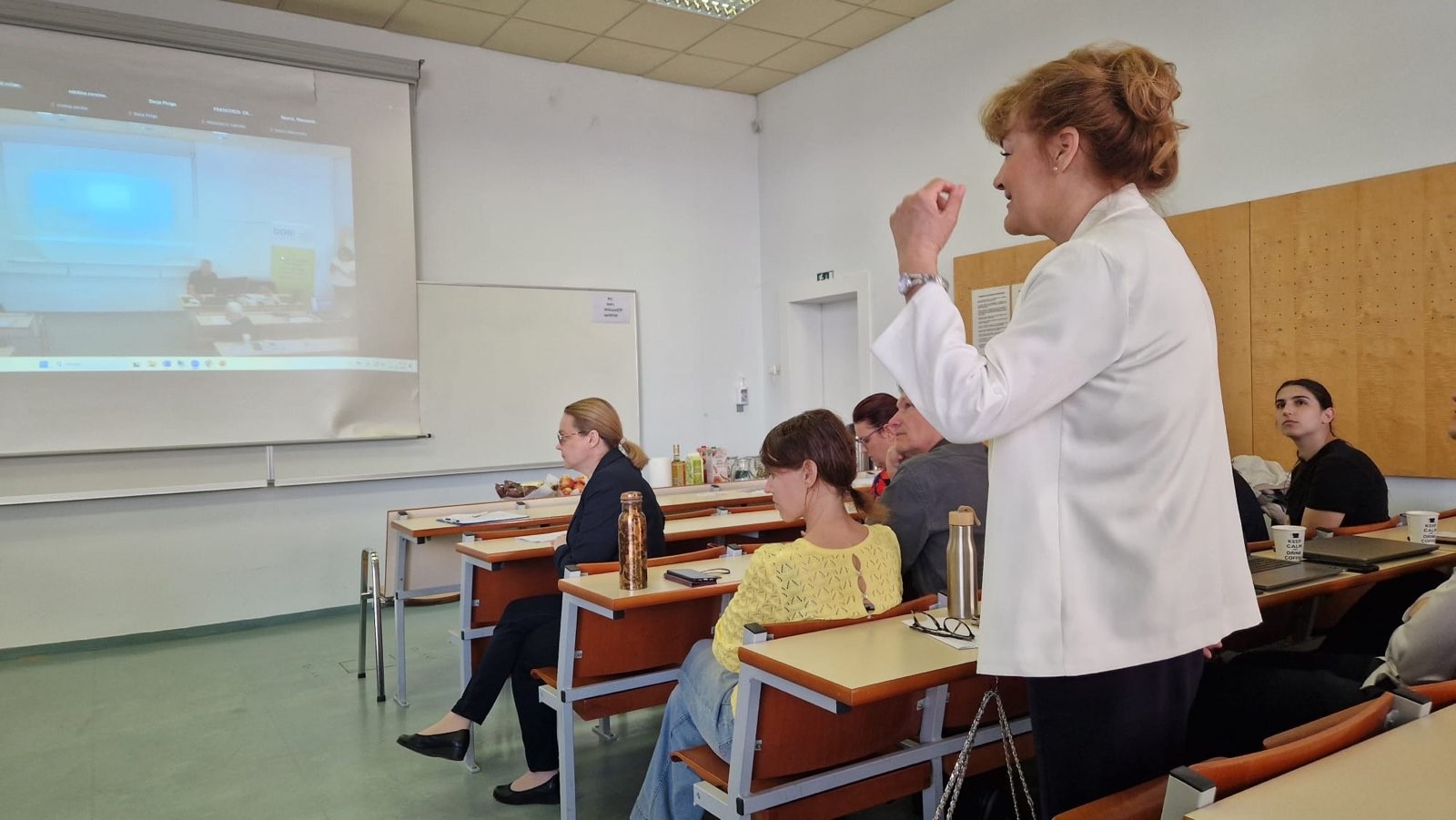
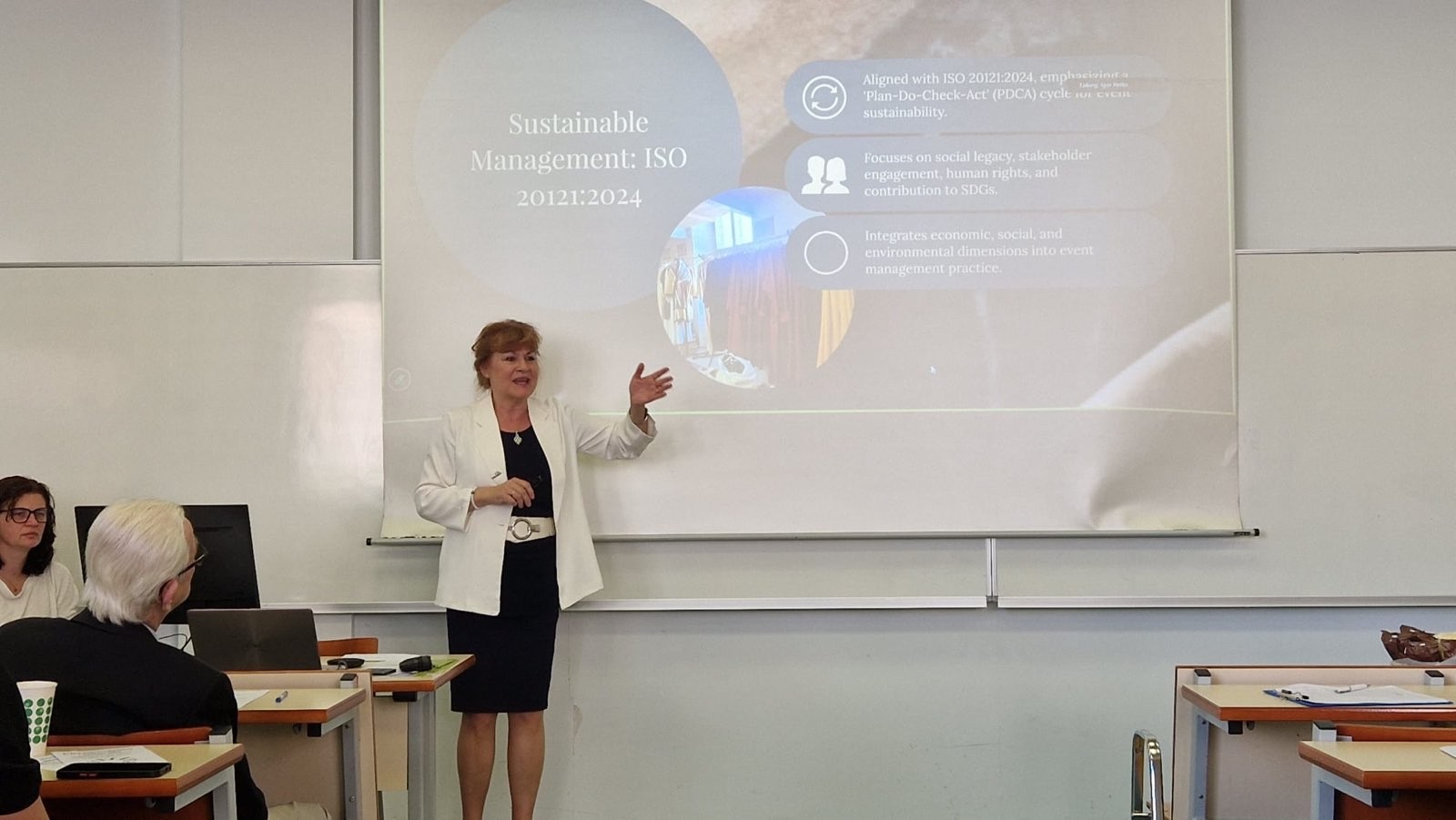
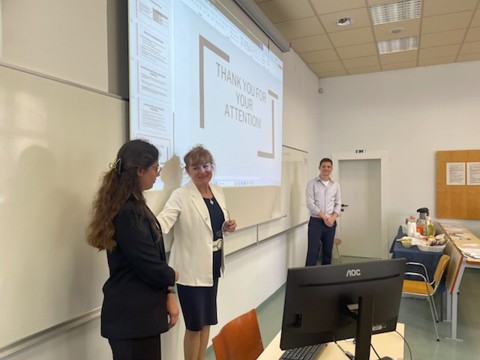
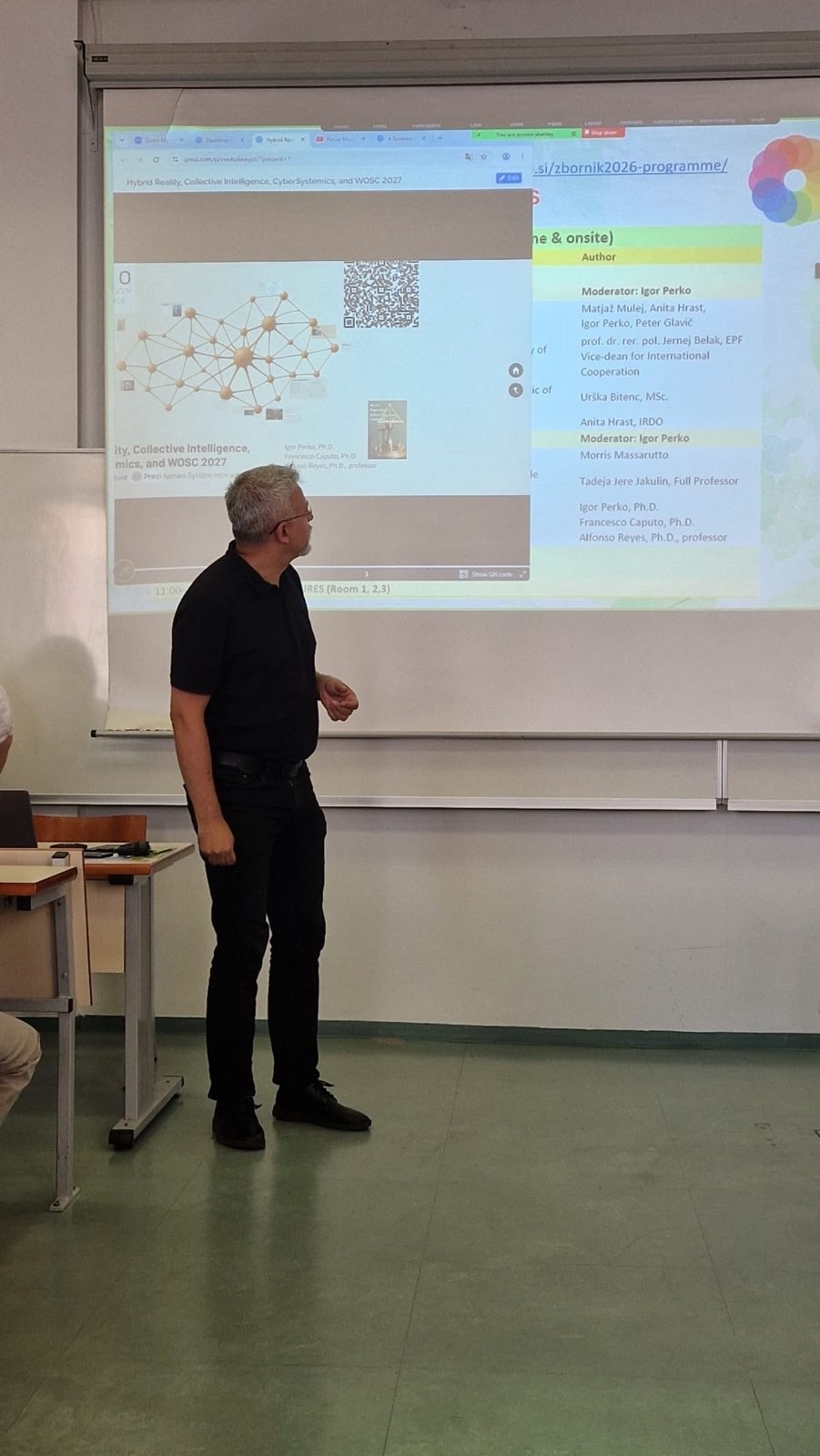
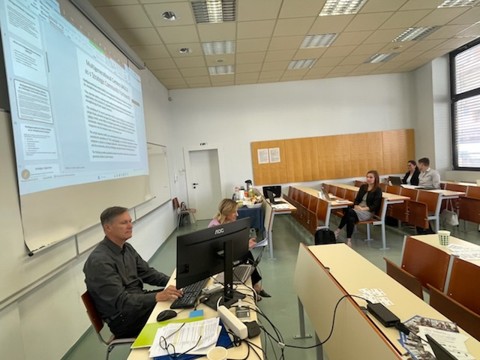
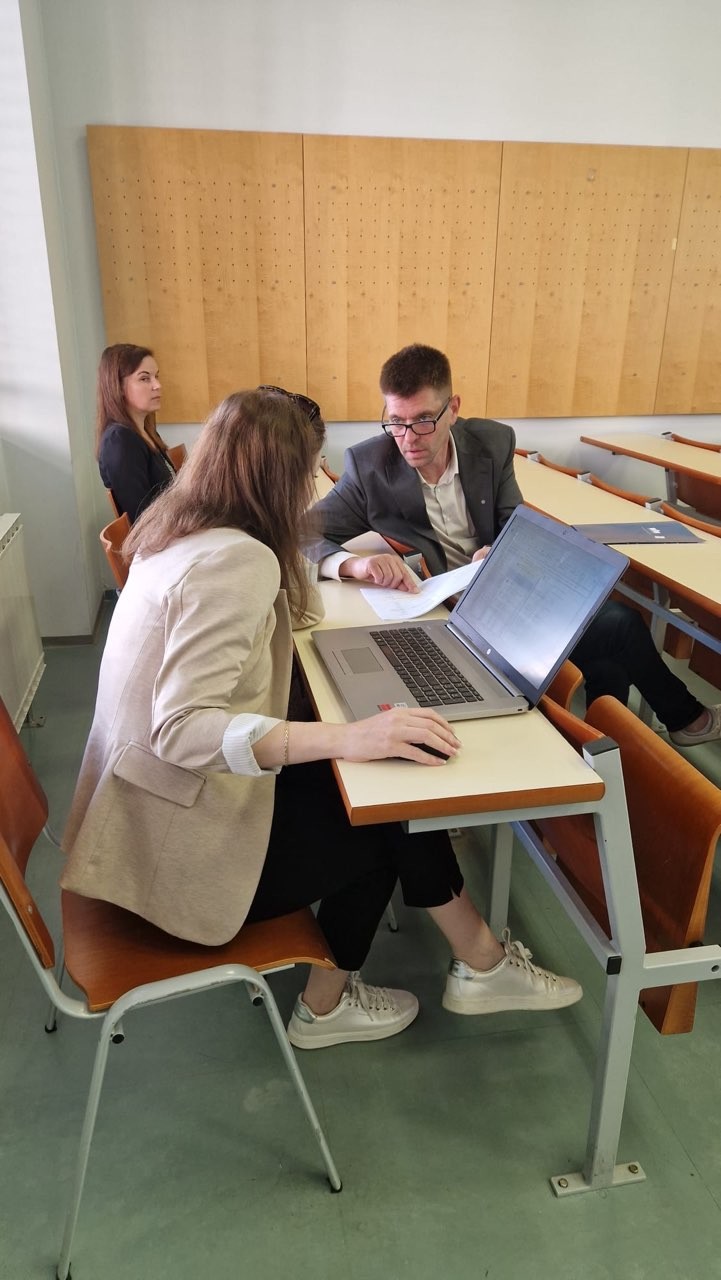
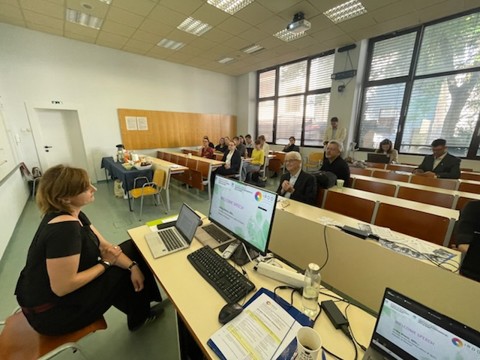
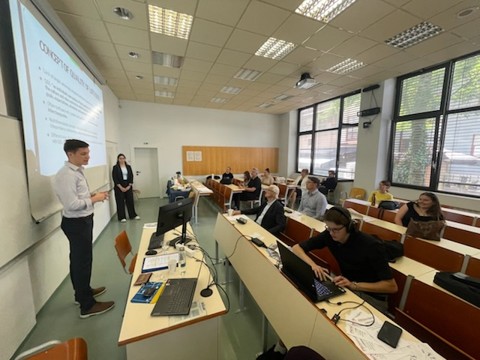
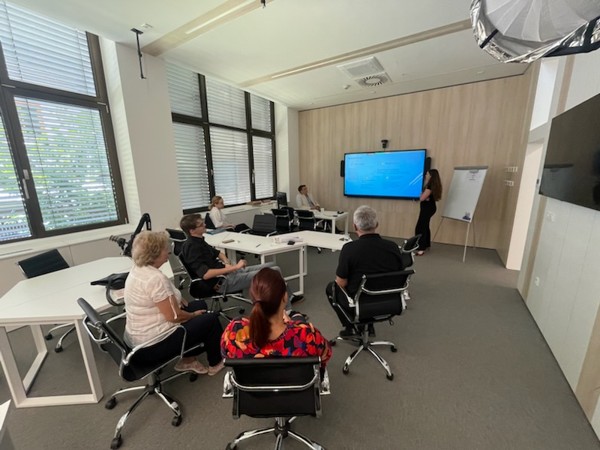
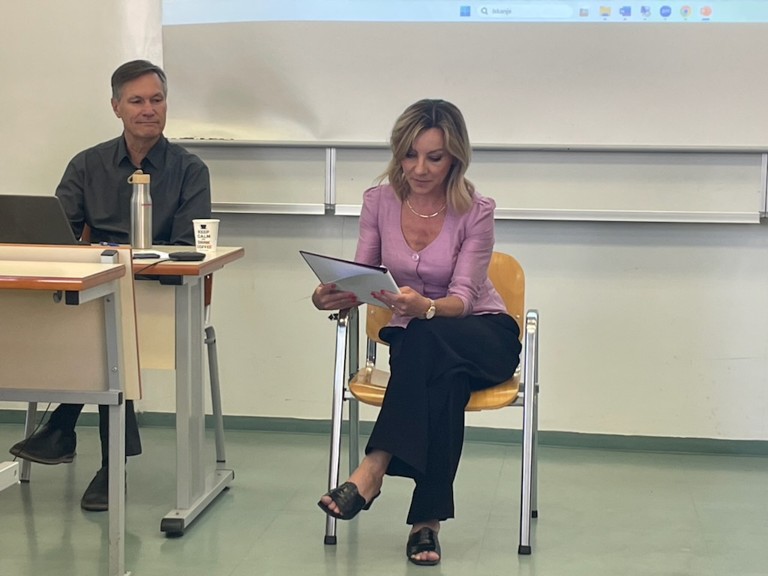
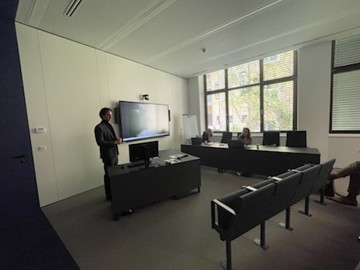
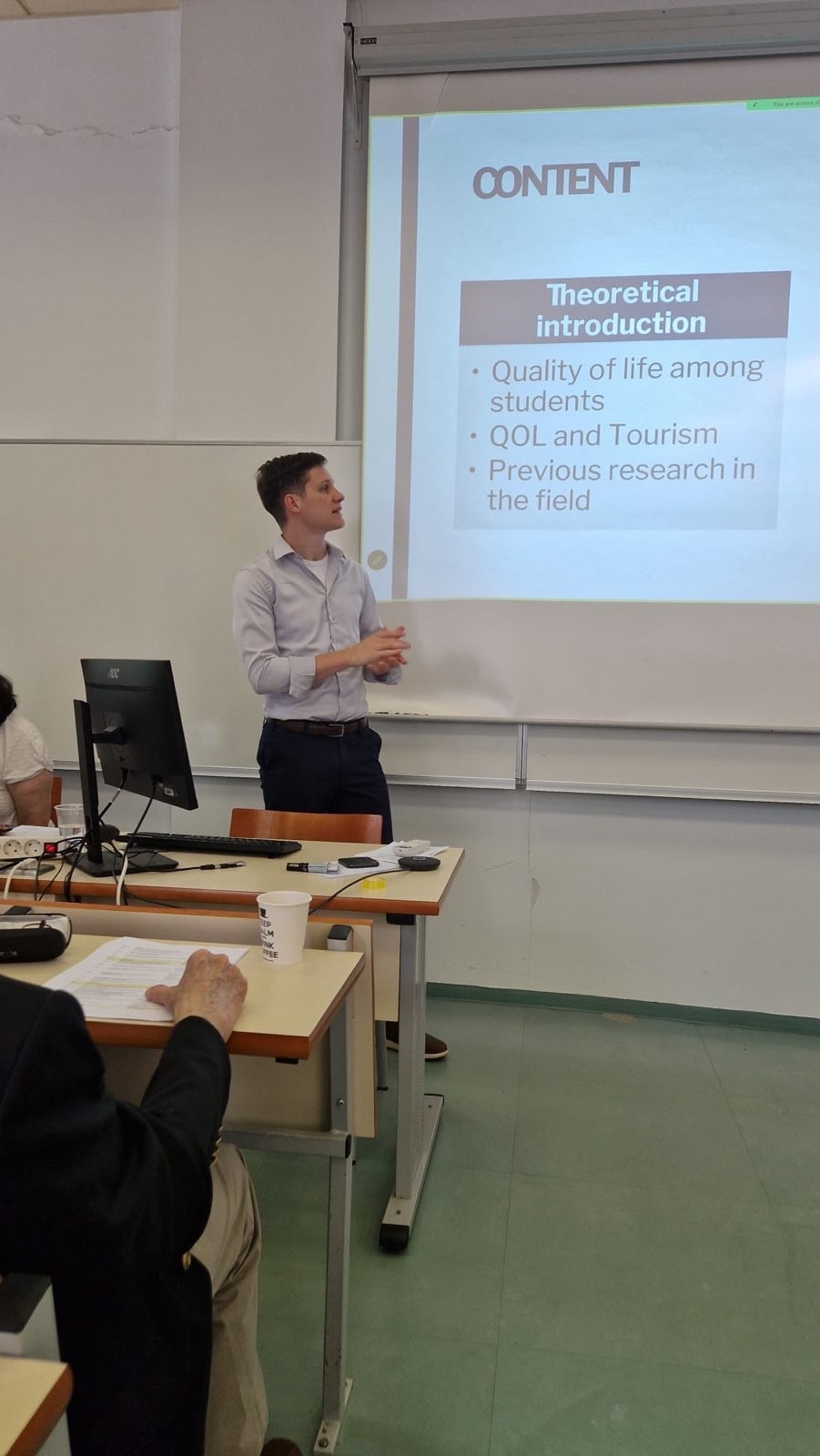
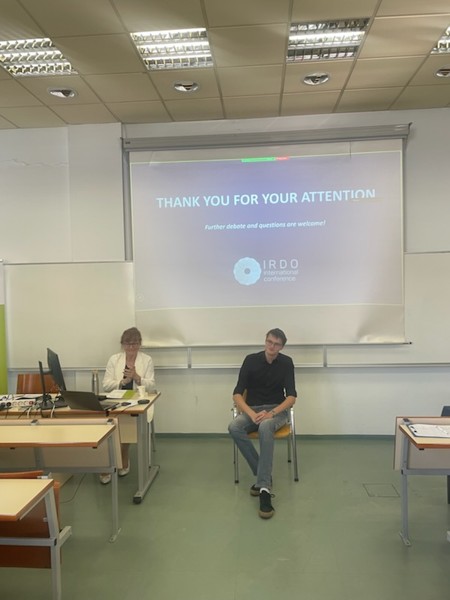
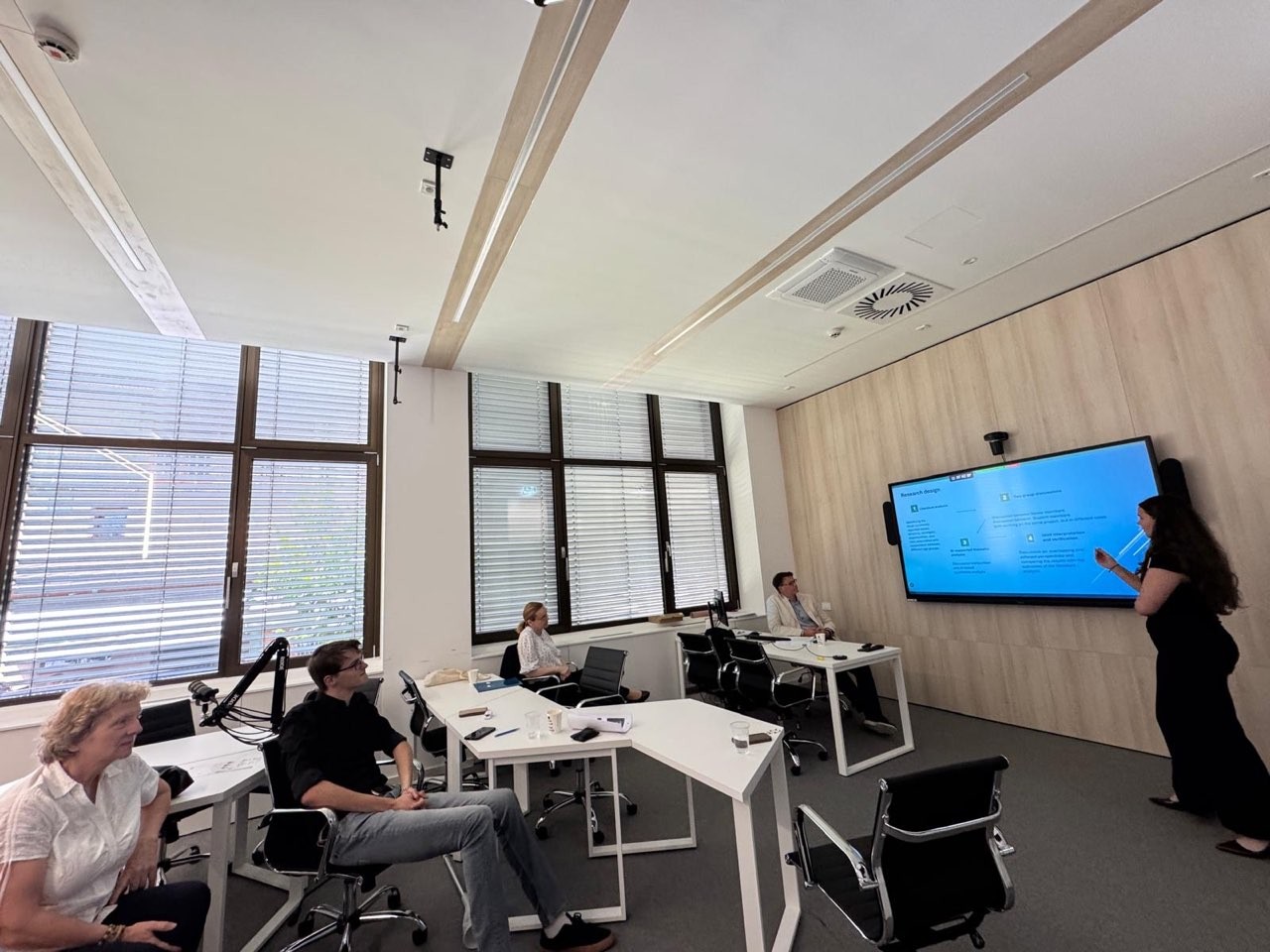
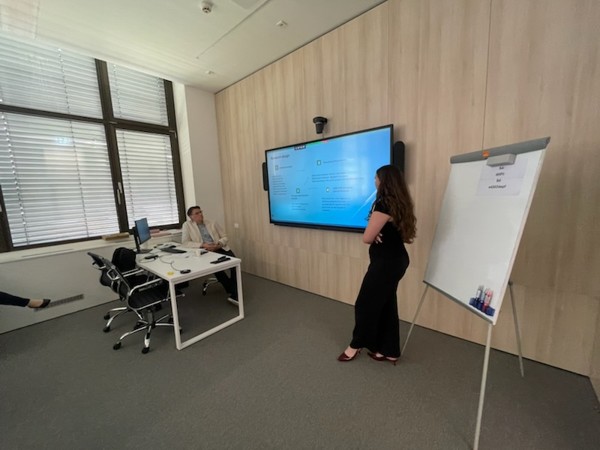
More than 90 authors with more than 50 papers from different countries around the world co-created this international conference in two days in Maribor, Slovenia (& online).
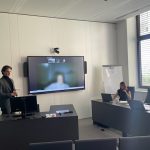
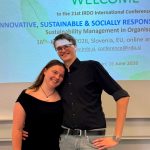
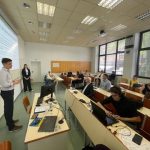
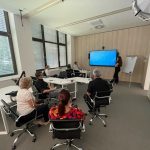
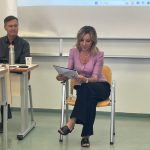
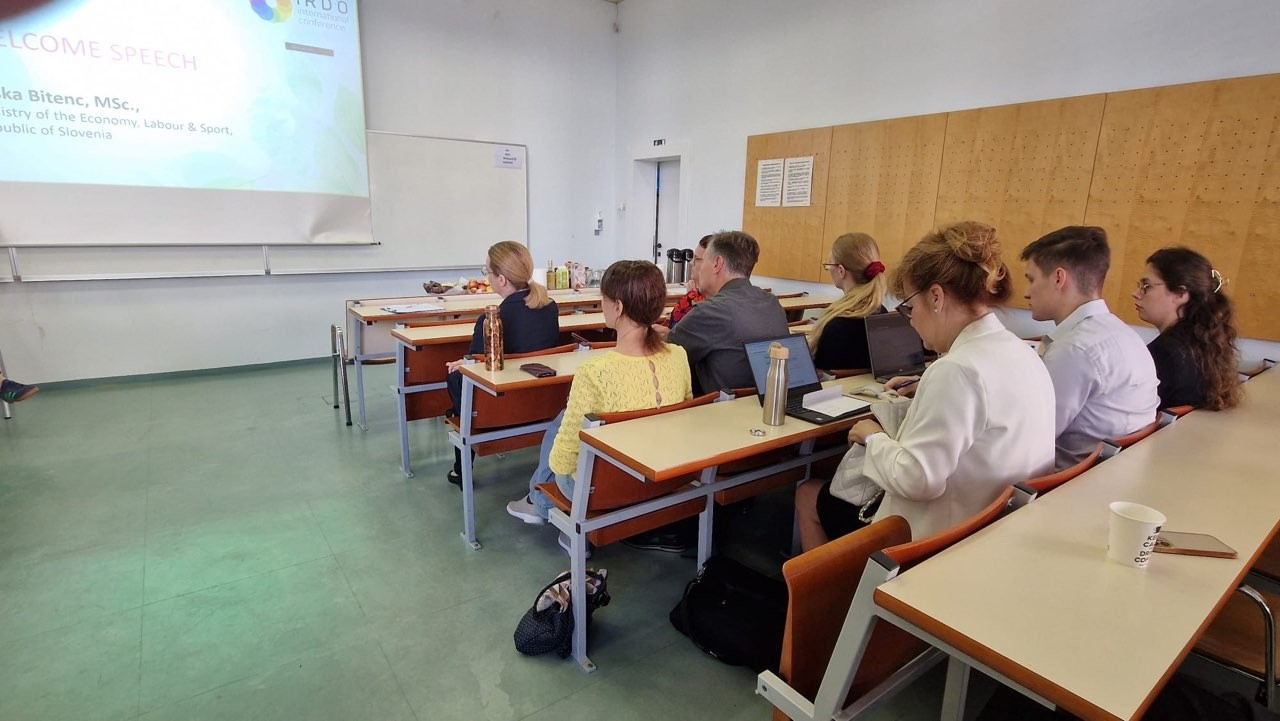
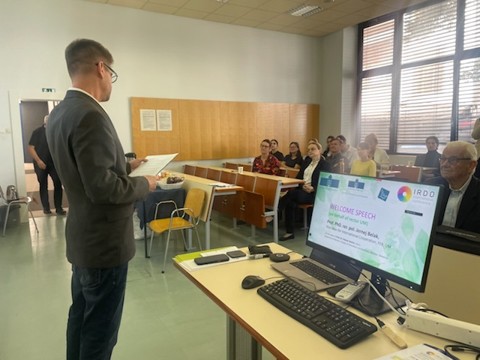
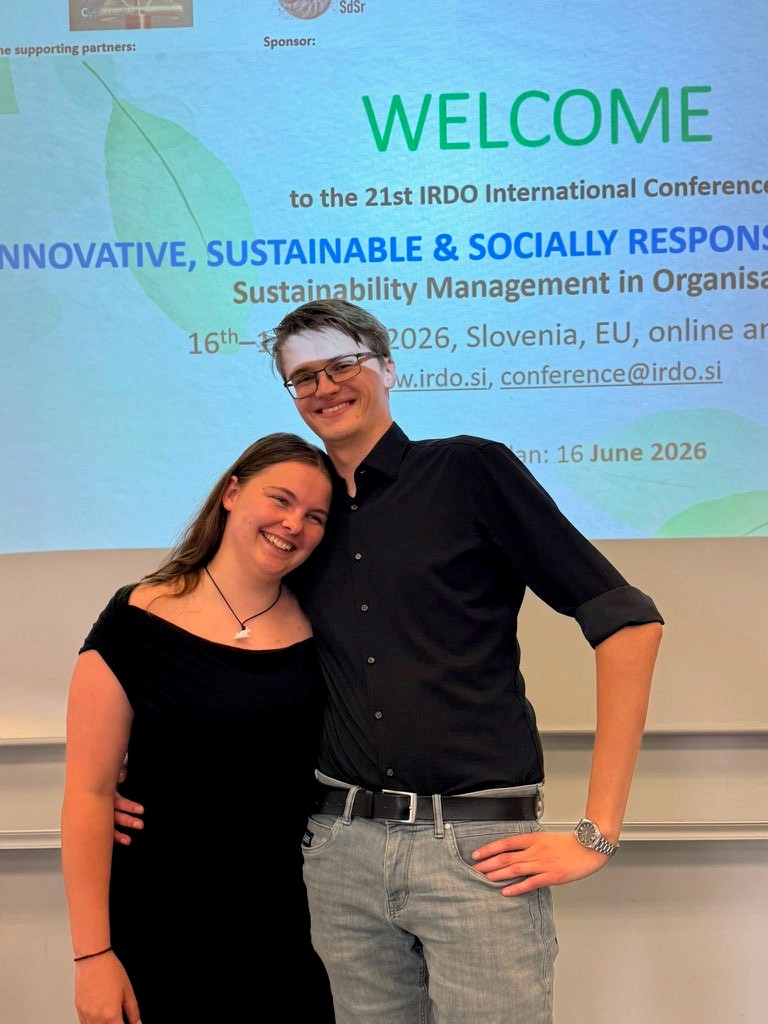
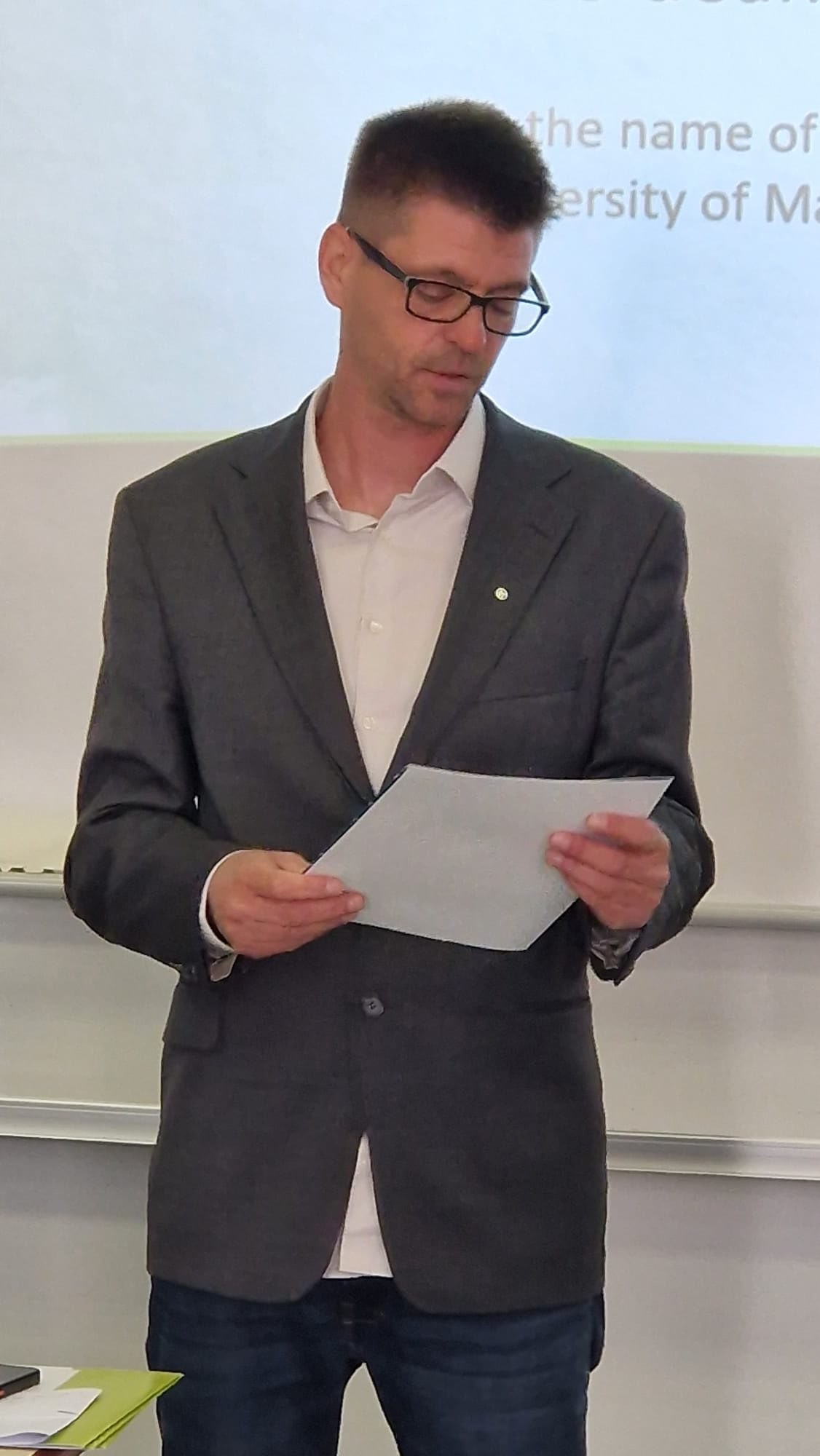
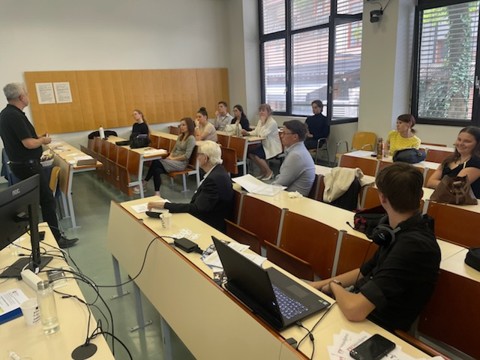
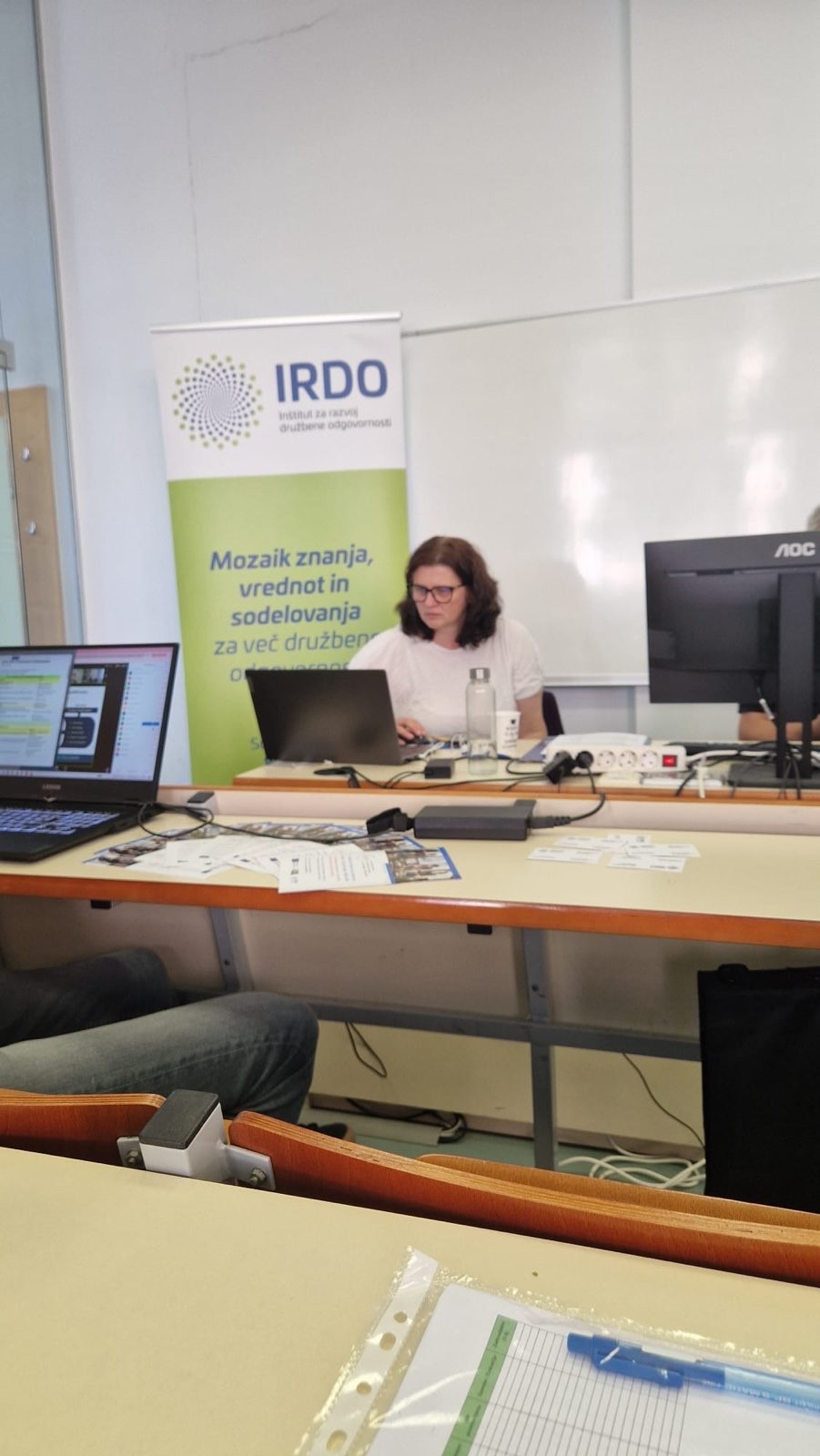
(Maribor, Slovenija, 18 June 2026) The 21st IRDO International Conference, Innovative, Sustainable and Socially Responsible Society 2026: Sustainability Management in Organisations, brought together over 90 researchers, experts, practitioners, public-sector representatives, civil society actors and students with more than 40 papers to examine how sustainability can be transferred from strategies and formal commitments into everyday organisational practice. Held in Maribor and online on 16 and 17 June 2026, the conference addressed sustainability management as a multidimensional challenge involving governance, reporting, digital transformation, social responsibility, community development, systems thinking and CyberSystemics.
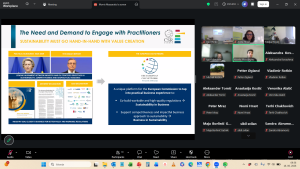
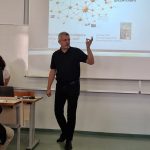
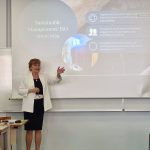
The opening plenary positioned sustainability as a question of value creation beyond compliance. CSR Europe’s Sustainable Value Creation Framework framed sustainability as a driver of organisational transformation through governance integration, ESG strategy, human capital, product innovation and ecosystem building. This was complemented by systems-oriented contributions showing how cultural events, collective intelligence and CyberSystemics can help organisations and communities deal with complexity, stakeholder interdependence and long-term sustainability without reducing social and environmental issues to isolated indicators.


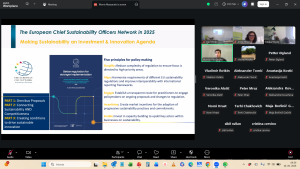
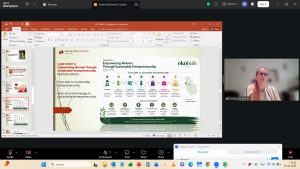
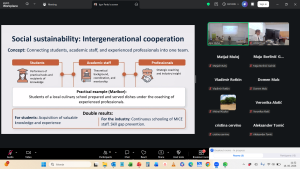
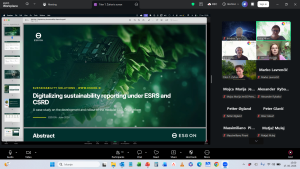
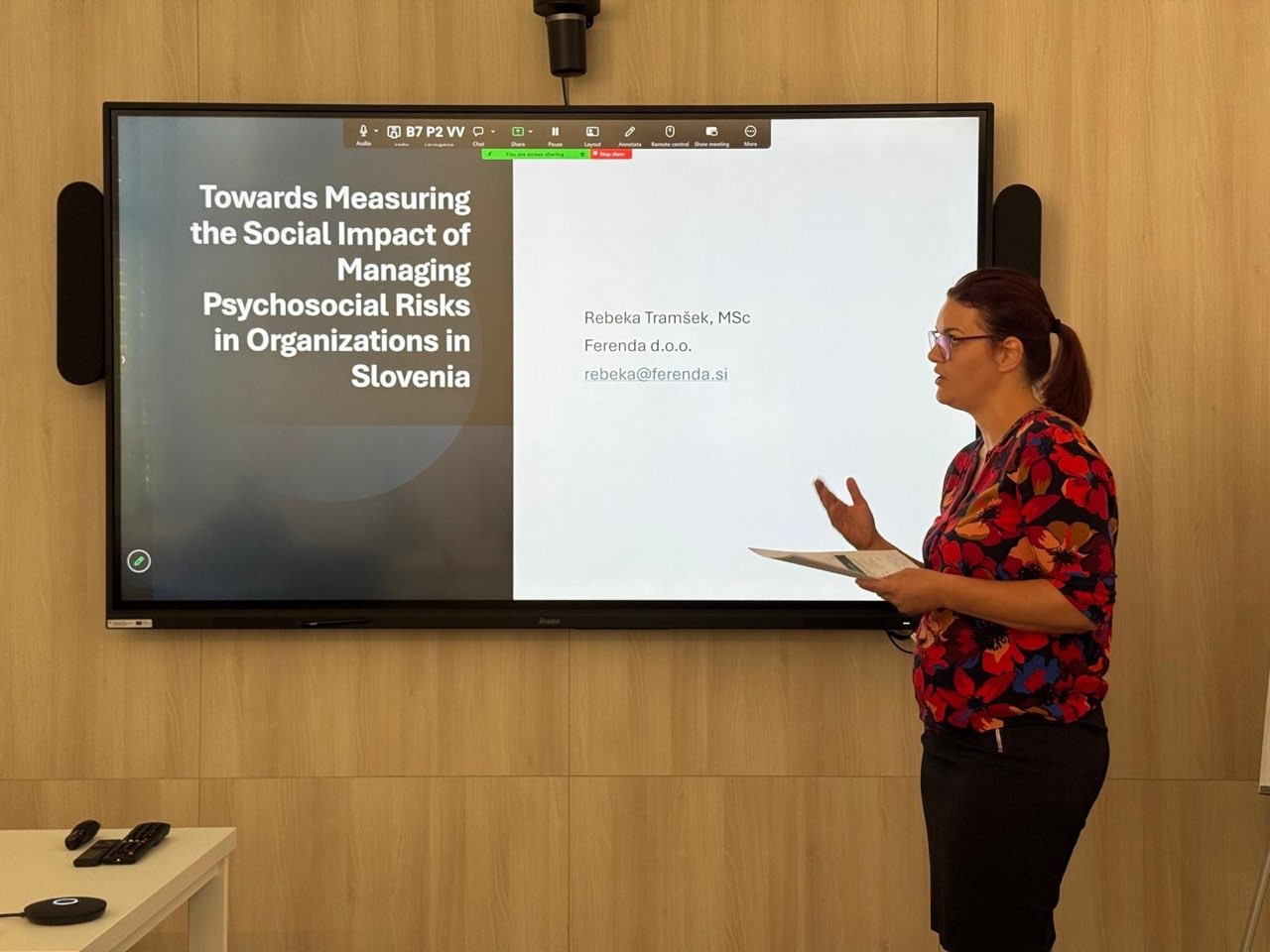
Across Day 1, the parallel sessions expanded this framing into applied organisational and community contexts. Section 1 showed how sustainability becomes operational in entrepreneurship, gastronomy, MICE tourism, green communication, multigenerational centres, women’s entrepreneurship, cultural heritage and inclusive trail development. These contributions indicated that sustainable value is created through cooperation among businesses, public institutions, local communities, students and civil society. Section 2 added the human and relational infrastructure of sustainability by addressing language, ageism prevention, psychosocial risks, intergenerational cooperation, volunteering and responsible leadership. Section emphasised the technical and regulatory infrastructure of sustainability through CSRD and ESRS reporting, AI-related risk disclosure, integrated reporting tools, value-chain risk mitigation and impact measurement.
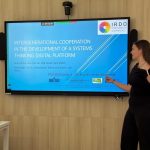
The Day 2 plenary broadened the discussion from organisational practice toward systemic transformation. It connected corporate digital responsibility in SMEs, viable systems approach to organisational action research, a new development model for Slovenia and critical reflection of multiple authors on neoliberalism as a basis for an innovative, sustainable and socially responsible society. It concluded that sustainability management requires institutional design, digital responsibility and systemic viability, not only new standards or isolated projects.


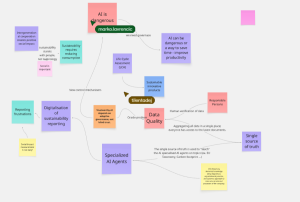
Day 2 Section 1 focused on artificial intelligence as a governance challenge for sustainable and responsible organisations. The session stressed that AI should be understood as part of a wider socio-technical system involving data quality, interpretation, accountability, trust, regulation and human judgement. Contributions addressed AI-supported ESG knowledge governance, agentic Markov blankets for hybrid realities, corporate digital responsibility in SMEs, subject-oriented intelligent agents and the risk of cognitive delegation and loosing identity. The discussion concluded that better data and algorithms are insufficient unless organisations also build mechanisms for interpretation, responsibility, trust, oversight and alignment between technological capability and social purpose.
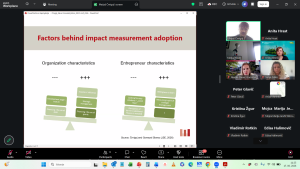
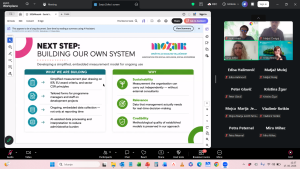
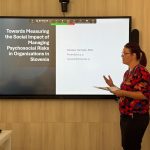
Section 2 focused on sustainable governance and management through social impact measurement, social enterprises, the IRDO Chief Sustainability Officers (CSO) network and business best practices from Slovenia. It linked measurement with practice, showing that social impact becomes meaningful when indicators are connected to lived organisational experience and community needs.
Section 3 shifted attention to sustainability in community settings, including organisational resilience, sustainable urban mobility, student services, project management for the SDGs, primary education and youth expectations in precarious labour markets.
Taken together, the conference presented sustainability management as a CyberSystemic and practical discipline. It requires measurable reporting, but also interpretation; digital innovation, but also responsibility; organisational strategy, but also community embeddedness; and technological capability, but also human judgement. The main direction emerging from the conference is integrative: organisations need to connect ESG frameworks, social impact measurement, AI governance, systems thinking and cross-sector collaboration so that sustainability becomes a durable capability rather than a periodic reporting exercise.
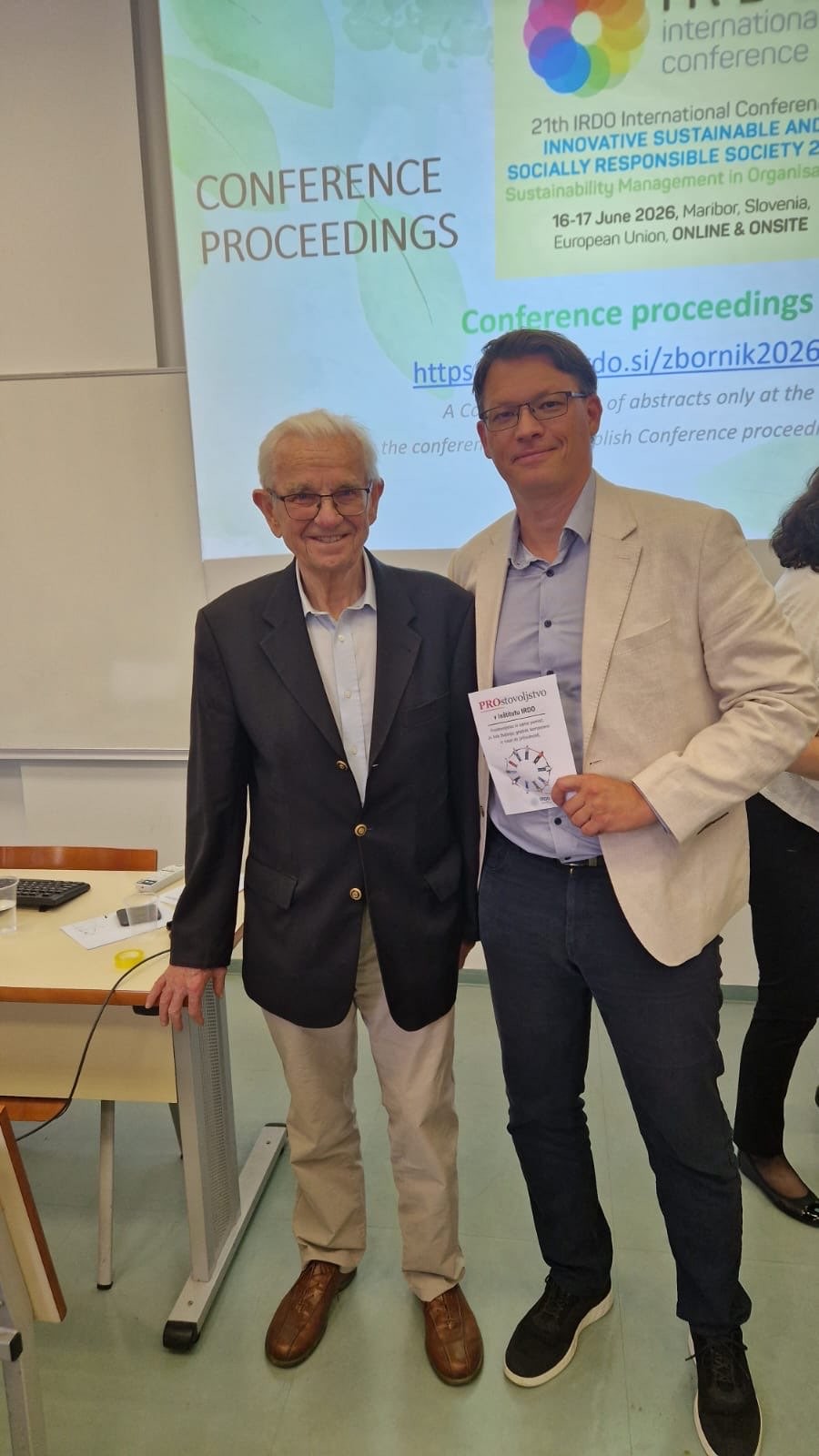
The conference proceedings (with abstracts) are available (free of charge): https://www.irdo.si/zbornik2026-referati/. By the end of June 2026, the final contributions of the authors will also be published in the proceedings.
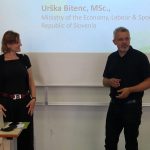
The organizers of the conference were IRDO – Institute for the Development of Social Responsibility, University of Maribor, Faculty of Economics and Business (UM), Slovenian Society for Systems Research (SdSr) and WOSC with several supporting partners: Ministry of Economy, Labour and Sport, DIH – Digital Innovation Centre of Slovenia, International Academy of Systems and Cyber Sciences (IASCYS), France, European Academy of Sciences and Arts, Salzburg, International Federation for Systems Research (IFSR), CSR Europe, Danube University Krems, Austria, Styrian Chamber of Commerce, Employers’ Association of Slovenia, Association of Managers of Slovenia and Slovenian Association for Quality and Excellence. The conference was sponsored by Medis-M and Press Clipping.




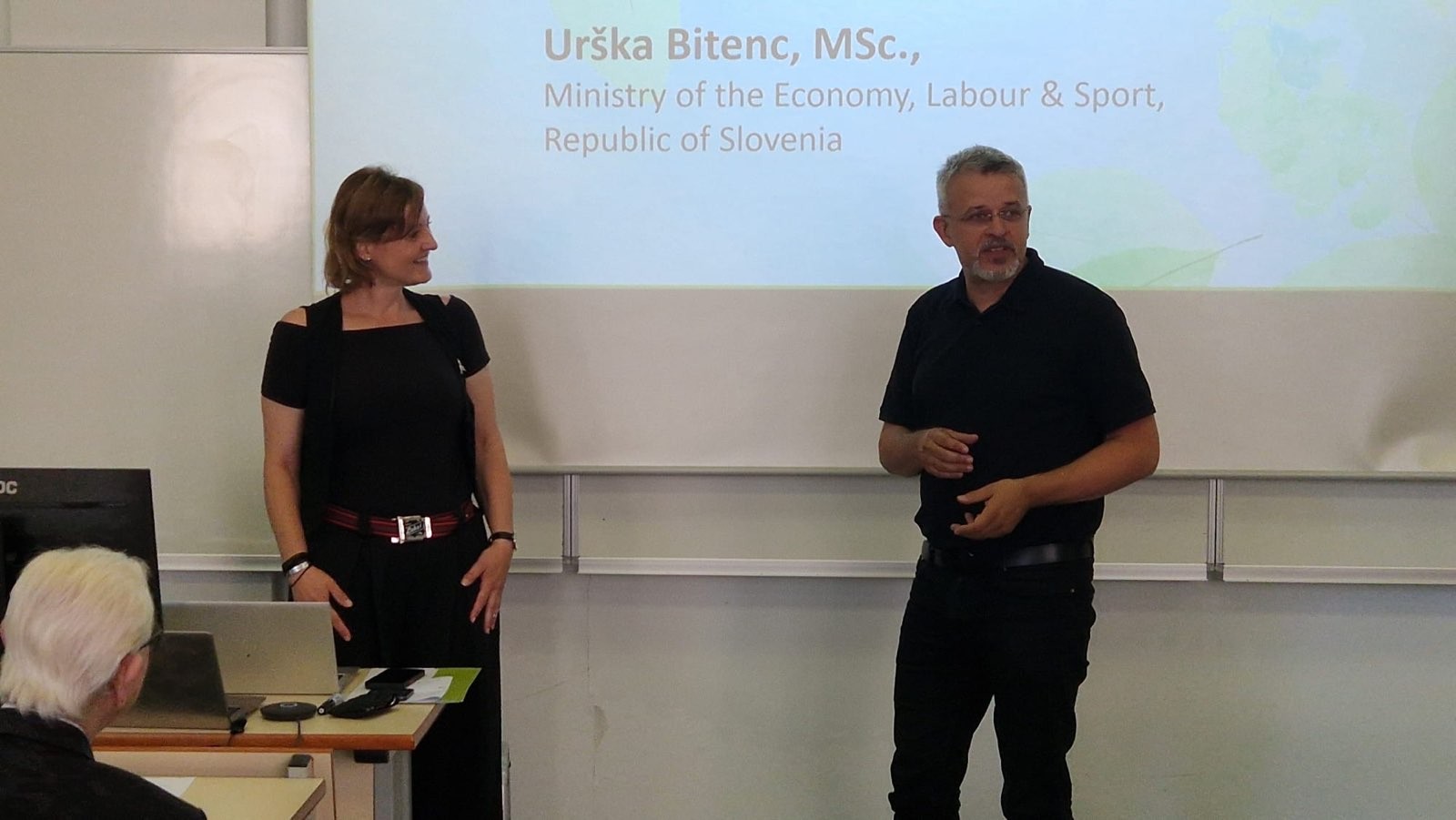
The conference also informed participants about launched public call VESG – Voucher for the preparation of a voluntary sustainability report (ESG voucher), which was published this month by the Slovenian Enterprise Fund (SPS). This enables Slovenian small and medium-sized enterprises to obtain grants of up to EUR 10,000 for the preparation of sustainability reports and the introduction of sustainable practices in companies.
In June 2027, a larger joint event will be organized in Maribor, namely the 22nd IRDO International Conference and the 21st WOSC World Meeting. The organizers are already inviting authors from all over the world to co-create these two events with their research, professional and practical contributions.









______________________________
Additional information IRDO – Institute for the Development of Social Responsibility: www.irdo.si
- Anita Hrast, Head of IRDO – Institute for the Development of Social Responsibility and President of the Organizing Committee of the IRDO Conference, anita.hrast@irdo.si, info@irdo.si, tel.: + 386 31 344 883
- Igor Perko, Vice-President and Coordinator of the Program Committee of the IRDO Conference, perko@um.si, conference@irdo.si
Other IRDO Conferences & More: www.irdo.si/en/irdo-conference/
You can download 2026 IRDO Intrenational Conference Conlusions here: 2026 IRDO Conference Conclusions -Sklepi PR 18.6.2026 slo eng
We look forward to your participation next year, invite others to the conference too!
Sincerely,
The IRDO 2026 Conference Programme & Organizational Committee
| Organiser Info:
IRDO – Institute for the Development of Social Responsibility |
 |